“Naqueles dias, estava
terminando de ler um dos amenos e sofísticos ensaios de Michel Foucault em que,
com seu brilhantismo habitual, o filósofo francês afirmava que, assim como a
sexualidade, a psiquiatria, a religião, a justiça e a linguagem, o ensino
sempre fora, no mundo ocidental, uma das “estruturas de poder” erigidas para
reprimir e domesticar o corpo social, instalando sutis mas eficazes formas de
sujeição e alienação, a fim de garantir a perpetuação dos privilégios e o
controle do poder dos grupos sociais dominantes.”
sexta-feira, 17 de novembro de 2017


A Ciência do Comportamento pode vir a ser a nossa mais importante ciência Anthony Biglan
http://www.cbrasilia.com.br/artigo/detalhe/a-ciencia-do-comportamento-pode-vir-a-ser-a-nossa-mais-importante-ciencia---anthony-biglan
A Ciência do Comportamento pode vir a ser a nossa mais importante ciência
Se você não está ciente do progresso das ciências do comportamento, é por que tal progresso é relativamente recente e porque as políticas e os programas que podem prevenir ou atenuar tais problemas ainda não são utilizados em grande escala. Estamos à beira de uma revolução no uso das ciências do comportamento que melhorará o bem estar das pessoas de formas que se revelarão tão dramáticas quanto as mudanças que testemunhamos na medicina, física e química.
A Ciência do Comportamento pode vir a ser a nossa mais importante ciência
Anthony Biglan
Se você não está ciente do progresso das ciências do comportamento, é por que tal progresso é relativamente recente e porque as políticas e os programas que podem prevenir ou atenuar tais problemas ainda não são utilizados em grande escala. Estamos à beira de uma revolução no uso das ciências do comportamento que melhorará o bem estar das pessoas de formas que se revelarão tão dramáticas quanto as mudanças que testemunhamos na medicina, física e química.
O relatório sobre prevenção, do Instituto de Medicina colocou a
questão dessa forma: "A fundação científica tem sido criada para a nação
começar a desenvolver uma sociedade na qual jovens atinjam a idade
adulta com habilidades, interesses, recursos e hábitos saudáveis
necessários para viver vidas saudáveis, felizes e produtivas em
relacionamentos afetuosos com os outros".
Estratégias, expertise e experiências de ouvir vozes: entrevista com Cristina Contini
http://www.scielo.br/scielo.php?script=sci_arttext&pid=S1414-32832017000401039&lng=pt&nrm=iso&tlng=pt
Estratégias, expertise e experiências de ouvir vozes: entrevista com Cristina Contini
Estratégias, expertise e experiências de ouvir vozes: entrevista com Cristina Contini
quinta-feira, 16 de novembro de 2017
'Nem toda pessoa que se mata tem depressão', diz especialista em suicídio
'Nem toda pessoa que se
mata tem depressão', diz especialista em suicídio ... - Veja mais em
https://estilo.uol.com.br/comportamento/noticias/redacao/2017/11/15/viver-sem-sofrer-e-uma-utopia-diz-especialista-em-suicidio.htm?cmpid=copiaecola
'Nem toda pessoa que se mata tem depressão', diz especialista em suicídio
'Nem toda pessoa que se
mata tem depressão', diz especialista em suicídio ... - Veja mais em
https://estilo.uol.com.br/comportamento/noticias/redacao/2017/11/15/viver-sem-sofrer-e-uma-utopia-diz-especialista-em-suicidio.htm?cmpid=copiaecola
https://estilo.uol.com.br/comportamento/noticias/redacao/2017/11/15/viver-sem-sofrer-e-uma-utopia-diz-especialista-em-suicidio.htm
'Nem toda pessoa que se
mata tem depressão', diz especialista em suicídio ... - Veja mais em
https://estilo.uol.com.br/comportamento/noticias/redacao/2017/11/15/viver-sem-sofrer-e-uma-utopia-diz-especialista-em-suicidio.htm?cmpid=copiaecola
'Nem toda pessoa que se
mata tem depressão', diz especialista em suicídio ... - Veja mais em
https://estilo.uol.com.br/comportamento/noticias/redacao/2017/11/15/viver-sem-sofrer-e-uma-utopia-diz-especialista-em-suicidio.htm?cmpid=copiaecola
'Nem toda pessoa que se
mata tem depressão', diz especialista em suicídio ... - Veja mais em
https://estilo.uol.com.br/comportamento/noticias/redacao/2017/11/15/viver-sem-sofrer-e-uma-utopia-diz-especialista-em-suicidio.htm?cmpid=copiaecola
'Nem toda pessoa que se
mata tem depressão', diz especialista em suicídio ... - Veja mais em
https://estilo.uol.com.br/comportamento/noticias/redacao/2017/11/15/viver-sem-sofrer-e-uma-utopia-diz-especialista-em-suicidio.htm?cmpid=copiaecola
'Nem toda pessoa que se
mata tem depressão', diz especialista em suicídio ... - Veja mais em
https://estilo.uol.com.br/comportamento/noticias/redacao/2017/11/15/viver-sem-sofrer-e-uma-utopia-diz-especialista-em-suicidio.htm?cmpid=copiaecola
'Nem toda pessoa que se
mata tem depressão', diz especialista em suicídio ... - Veja mais em
https://estilo.uol.com.br/comportamento/noticias/redacao/2017/11/15/viver-sem-sofrer-e-uma-utopia-diz-especialista-em-suicidio.htm?cmpid=copiaecola
neurolépticos e expectativa de vida (atualizado)
Esses efeitos colaterais são um risco maior para doença cardiovascular, derrame e morte prematura (20-30 anos de vida a menos).
Os dados acumulados sugerem que o aumento do apetite e da ingestão de alimentos, bem como a sinalização tardia da saciedade, são as principais alterações comportamentais relacionadas ao ganho de peso/obesidade induzida por antipsicóticos
Por exemplo, independentemente da droga antipsicótica, alguns pacientes perdem peso, alguns mantêm o peso e alguns ganham peso
e também diminui a motivação para atividade física.
Referências:
1. Effects of Antipsychotic Medications on Appetite, Weight, and Insulin Resistance
Chao Deng,
PhD
2. Differential effects of olanzapine and risperidone on plasma adiponectin levels over time: results from a 3-month prospective open-label study.
Chao Deng,
PhD
2. Differential effects of olanzapine and risperidone on plasma adiponectin levels over time: results from a 3-month prospective open-label study.
Wampers M1, Hanssens L, van Winkel R, Heald A, Collette J, Peuskens J, Reginster JY, Scheen A, De Hert M.
3. (Referência onde está incluída a frase sobre 20-30 anos a menos de vida para pessoas diagnosticadas com esquizofrenia)
Effectiveness analysis of antipsychotics in schizophrenia using psychometric scales: an observational study
Artigo | IMSEAR | ID: sea-200521
Resumo 1
Embora a clozapina, a olanzapina e outros antipsicóticos atípicos (APDs) tenham menos efeitos colaterais extrapiramidais, eles têm efeitos colaterais metabólicos graves, como ganho de peso substancial, obesidade intra-abdominal e diabetes mellitus tipo 2. Dado que a maioria dos pacientes com transtornos mentais enfrenta tratamento crônico, mesmo ao longo da vida, com APDs, os riscos de ganho de peso/obesidade e outros sintomas metabólicos são considerações importantes para o tratamento de manutenção da APD. Esta revisão se concentra nos efeitos das APDs no ganho de peso, apetite, resistência à insulina e desregulação da glicose, e os mecanismos subjacentes relevantes que podem ajudar a prevenir e tratar os efeitos colaterais metabólicos causados pela terapia da APD.
Palavras-chave: Antipsicótico; Apetite; Desregulação da glicose; Resistência a insulina; Obesidade; Ganho de peso.
Efeitos metabólicos dos antipsicóticos na Esquizofrenia
https://sigarra.up.pt/fmdup/pt/pub_geral.show_file?pi_gdoc_id=548656
Efeitos metabólicos dos
antipsicóticos na
Esquizofrenia
Efeitos metabólicos dos
antipsicóticos na
Esquizofrenia
Pacientes de Alzheimer vivem menos com antipsicóticos
https://idosos.com.br/pacientes-de-alzheimer-vivem-menos-com-antipsicoticos/
Pacientes de Alzheimer vivem menos com antipsicóticos
Em Londres Os pacientes de Alzheimer que recebem antipsicóticos -também conhecidos como neurolépticos- apresentam maiores índices de mortalidade entre dois e três anos depois do tratamento, segundo um estudo publicado pela revista “The Lancet”.
quarta-feira, 15 de novembro de 2017
lógica modelo médico (específico e geral)
a lógica do modelo médico é transformar questões específicas dos contextos em questões gerais sem contexto
bias antipsychotic trials
A
new study suggests that the effectiveness of antipsychotic medications
may be overstated due to biased publication methods. The researchers
found that the vast majority of antipsychotic drug trials used biased
reporting methods. These practices ensured that the published drug
trials demonstrated positive outcomes by obscuring a number of negative
findings.
Via Translational Psychiatry
#openscience #opendata #research #psychiatry
https://www.madinamerica.com/…/outcome-reporting-bias-anti…/
Via Translational Psychiatry
#openscience #opendata #research #psychiatry
https://www.madinamerica.com/…/outcome-reporting-bias-anti…/
terça-feira, 14 de novembro de 2017
John Nash largou a esquizofrenia na década de 80
http://compromissoconsciente.blogspot.com.br/2015/06/john-nash-largou-esquizofrenia-na.html
John Nash largou a esquizofrenia na década de 80. Por que isto não foi largamente comentado pela mídia e classe médica?
segunda-feira, 13 de novembro de 2017
custos da saúde
Psiquiatras por exemplo recebem dinheiro por internação psiquiátrica. E os familiares não vêem outra alternativa possível.
"O que faz a conta com saúde crescer tanto? Como se sabe, isso ocorre no mundo todo em resposta ao anseio das pessoas de viver mais e melhor. Isso significa ter acesso ao que há de mais novo e eficaz em matéria de remédios, equipamentos e tratamentos — e pagar para que os avanços da medicina e da tecnologia não cessem. No caso do Brasil, além de tudo isso, há uma peculiaridade da estrutura de assistência médica privada: ela está voltada para que haja mais procedimentos, mais exames complexos e o maior uso possível dos materiais caros, independentemente do benefício que os pacientes obtenham. As evidências mais claras estão dentro dos hospitais. Pelo menos metade dos gastos das operadoras é com internações. Quando um paciente dá entrada em um pronto-socorro ou é internado para uma cirurgia, o hospital ganha uma espécie de cheque em branco. O tipo de tratamento a ser ministrado fica a critério dos médicos e do estabelecimento. Além das diárias dos leitos, o hospital cobra do plano de saúde por insumo aplicado no paciente. Então, quanto mais procedimentos fizer, mais dinheiro receberá. Essa forma de cobrança por procedimento é comum nos Estados Unidos, país que mais gasta com saúde (17% do PIB por ano, enquanto o Reino Unido gasta 9%). Estudos apontam que os americanos desperdiçam 500 bilhões de dólares por ano com gasto ineficiente em saúde. Não existe o mesmo cálculo para o Brasil porque há menos transparência aqui, mas a lógica não muda."
http://blog.iagsaude.com.br/sem-categoria/revista-exame-quanto-custa-a-sua-saude/
"O que faz a conta com saúde crescer tanto? Como se sabe, isso ocorre no mundo todo em resposta ao anseio das pessoas de viver mais e melhor. Isso significa ter acesso ao que há de mais novo e eficaz em matéria de remédios, equipamentos e tratamentos — e pagar para que os avanços da medicina e da tecnologia não cessem. No caso do Brasil, além de tudo isso, há uma peculiaridade da estrutura de assistência médica privada: ela está voltada para que haja mais procedimentos, mais exames complexos e o maior uso possível dos materiais caros, independentemente do benefício que os pacientes obtenham. As evidências mais claras estão dentro dos hospitais. Pelo menos metade dos gastos das operadoras é com internações. Quando um paciente dá entrada em um pronto-socorro ou é internado para uma cirurgia, o hospital ganha uma espécie de cheque em branco. O tipo de tratamento a ser ministrado fica a critério dos médicos e do estabelecimento. Além das diárias dos leitos, o hospital cobra do plano de saúde por insumo aplicado no paciente. Então, quanto mais procedimentos fizer, mais dinheiro receberá. Essa forma de cobrança por procedimento é comum nos Estados Unidos, país que mais gasta com saúde (17% do PIB por ano, enquanto o Reino Unido gasta 9%). Estudos apontam que os americanos desperdiçam 500 bilhões de dólares por ano com gasto ineficiente em saúde. Não existe o mesmo cálculo para o Brasil porque há menos transparência aqui, mas a lógica não muda."
http://blog.iagsaude.com.br/sem-categoria/revista-exame-quanto-custa-a-sua-saude/
"...NÓS MÉDICOS TEMOS UM DEFEITO MUITO GRANDE..." Dr Lair Ribeiro
https://www.youtube.com/watch?v=6Hm8G09fwhY
"...NÓS MÉDICOS TEMOS UM DEFEITO MUITO GRANDE..." Dr Lair Ribeiro
um defeito do lair ribeiro é não mostrar as referências
é preciso diferenciar a mensagem do mensageiro
o pessoal da saúde coletiva também diz essas coisas
Anatomia de uma imagem: uma reflexão sobre os usos e abusos das imagens cerebrais
https://psicologiadospsicologos.blogspot.com.br/2017/11/anatomia-de-uma-imagem-uma-reflexao.html
Anatomia de uma imagem: uma reflexão sobre os usos e abusos das imagens cerebrais
Mental Illness Vs. “Bad” Behavior
https://www.madinamerica.com/2017/11/mental-illness-vs-bad-behavior/
Mental Illness Vs. “Bad” Behavior
Why Disease and Illness Are Concepts of the Body
https://www.madinamerica.com/2017/11/disease-illness-concepts-of-the-body/

Why Disease and Illness Are Concepts of the Body
domingo, 12 de novembro de 2017
FRACASSO | Deveríamos falar MAIS sobre ele | Seja Uma Pessoa Melhor
https://www.youtube.com/watch?v=CC7VrzGWjpE
O fracasso não deveria ser equiparado com doença mental. O fracasso depende de vários fatores e doença mental não justifica fracasso ou deficiência. O foco na doença mental como incapacidade é contraproducente. Embora seja mais fácil viver assim.
O fracasso não deveria ser equiparado com doença mental. O fracasso depende de vários fatores e doença mental não justifica fracasso ou deficiência. O foco na doença mental como incapacidade é contraproducente. Embora seja mais fácil viver assim.
Mediocridade e saúde mental
https://www.youtube.com/watch?v=bACvs2go-uk
Importante não ser medíocre para ter saúde mental no sentido de capacidade laboral ou aumento da saúde.
Importante não ser medíocre para ter saúde mental no sentido de capacidade laboral ou aumento da saúde.
sábado, 11 de novembro de 2017
DESPATOLOGIZAÇÃO DA VIDA
https://www.facebook.com/omundosegundoanaroxo/videos/820833421429925/
DESPATOLOGIZAÇÃO DA VIDA <3
<3
é importante vc saber
com Maria Aparecida Moyses
DESPATOLOGIZAÇÃO DA VIDA
<3é importante vc saber
com Maria Aparecida Moyses
relação patrocínio e prescrição
E tem quem se venda por muito pouco, pouco mesmo. Abaixo veja como o
simples ato de você pagar um almoço faz um médico receitar o remédio de
quem pagou o almoço dele!
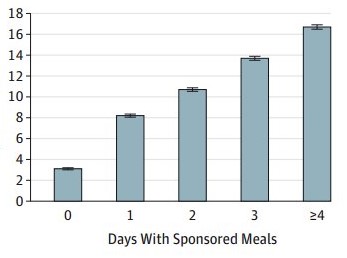
A cada almoço pago a um médico, aumenta a porcentagem de um determinado remédio receitado!
sexta-feira, 10 de novembro de 2017
organismo versus ambiente
Ênfase no organismo, de um lado, e ênfase no ambiente, de outro, geram
experimentos diferentes, dão mais força explicativa a causas diferentes.
Discordam quanto ao status do comportamento observável. As teorias baseadas no
organismo olham para o comportamento como indício ou sintoma de processos que
ocorrem dentro do organismo, sejam eles presumíveis processos fisiológicos ou
processos mentais metafóricos (a mente processando informações como um
computador, por exemplo). Já em uma teoria baseada no ambiente o comportamento
é o foco principal e a teoria se fundamenta em relações ambiente-comportamento.
http://jctodorov.blogspot.com.br/2016/11/analise-do-comportamento-como-abordagem.html
http://jctodorov.blogspot.com.br/2016/11/analise-do-comportamento-como-abordagem.html
autores análise do comportamento contribuíram para luta antimanicomial
Ayllon:
Precursor do movimento antimanicomial.
Hospitais Psiquiátricos.
http://jctodorov.blogspot.com.br/2016/02/por-que-nao-sou-nem-acetista-nem.html
quinta-feira, 9 de novembro de 2017
Experiência GAM (Gestão Autônoma Medicação):
Experiência GAM (Gestão Autônoma Medicação):
A Gestão Autônoma da Medicação (GAM) – propõe ferramentas concretas para enfrentar esse problema – que práticas de saúde mental dependam tanto do mundo da Medicina (medicalização).
A GAM busca que as pessoas que usam psicofármacos sejam mais críticas com o uso que fazem deles, que conheçam melhor os medicamentos que usam cotidianamente e seus efeitos desejados e não desejados.
Busca, ainda, que conheçam quais são seus direitos e que saibam que podem decidir se aceitam ou recusam as diferentes propostas de tratamento. Assim, dois princípios importantes da GAM são: o direito à informação e o direito a aceitar ou recusar os tratamentos.
(Da fanpage Cenat no facebook)
A Gestão Autônoma da Medicação (GAM) – propõe ferramentas concretas para enfrentar esse problema – que práticas de saúde mental dependam tanto do mundo da Medicina (medicalização).
A GAM busca que as pessoas que usam psicofármacos sejam mais críticas com o uso que fazem deles, que conheçam melhor os medicamentos que usam cotidianamente e seus efeitos desejados e não desejados.
Busca, ainda, que conheçam quais são seus direitos e que saibam que podem decidir se aceitam ou recusam as diferentes propostas de tratamento. Assim, dois princípios importantes da GAM são: o direito à informação e o direito a aceitar ou recusar os tratamentos.
(Da fanpage Cenat no facebook)
Psicoterapia versus Psicofarmacologia
Psicoterapia
versus Psicofarmacologia
http://jctodorov.blogspot.com.br/2013/10/sobre-psicoterapias.html
http://jctodorov.blogspot.com.br/2013/10/sobre-psicoterapias.html
delimitação contextual das questões de saúde mental
o que chamam de doença mental muitas vezes é algo diferente que se expressa em alguns poucos contextos específicos
quarta-feira, 8 de novembro de 2017
definição crítica da expressão descontrolar
Uma definição crítica de descontrolar é quando um sujeito não se submete ao controle de outra pessoa e fica indignado por esse controle.
descontrolar também é um erro conceitual para análise do comportamento pois sempre há alguma variável ou acontecimento ambiental controlando o comportamento (e portanto não é algo interno no organismo que está descontrolado).
descontrolar também é um erro conceitual para análise do comportamento pois sempre há alguma variável ou acontecimento ambiental controlando o comportamento (e portanto não é algo interno no organismo que está descontrolado).
Squarepusher - Come On My Selector
Squarepusher - Come On My Selector
https://www.youtube.com/watch?v=MWCSw_cNxKc
Clipe de música sobre fuga de hospital psiquiátrico
terça-feira, 7 de novembro de 2017
frase citação cura pelo contato afetivo
"O que cura é o contato afetivo de uma pessoa com a outra. O que cura é a alegria, o que cura é a falta de preconceito". Nise da Silveira
Nise da Silveira
segunda-feira, 6 de novembro de 2017
Anatomia de uma Epidemia no canal saúde (entrevista)
Fabulosa,
esclarecedora e fundamental entrevista de Robert Whitaker sobre seu
livro 'ANATOMIA DE UMA EPIDEMIA" que trata do assombroso aumento de
diagnósticos psiquiátricos. Aproveite para entender melhor os motivos...
http://www.canal.fiocruz.br/video/index.php?v=anatomia1de1uma1epidemia1cel1-10393
domingo, 5 de novembro de 2017
O mito da imutabilidade
"O mito da imutabilidadeA primeira barreira para conquistar é o mito da imutabilidade da personalidade. Cornelius Bakker, um psiquiatra que acredita que este mito deve ser destruído, lembra-nos que: "A idéia predominante sobre a natureza de O homem que dominou a civilização ocidental desde a sua criação inclui
a hipótese de que o homem tem uma essência, uma alma, uma personalidade
ou uma personagem que está atrás de suas ações e os motiva ". Psiquiatria, religião e outras instituições sociais promovem sistemas
de crença que nos levam a pensar em nós mesmos como possuindo tal
essência, que, por definição, é estático e imutável. Esta força interna alegadamente é responsável pelo que somos e pelo que fazemos. Tal visão faz toda mudança superficial e temporária. Pacientes psiquiátricos que melhoram são descrito como tendo um "vôo para a saúde". Quando esses pacientes não são mais perturbado pelo problema mental que os levou ao tratamento Em primeiro lugar, eles não são "curados", em vez de seu "estado de doença está em remissão "(à espreita por trás de uma máscara de sanidade, talvez?). Existe uma substancial evidência (incluindo muito do meu próprio pesquisa)
para apoiar a conclusão contrária, a saber, que a personalidade e o
comportamento humanos são bastante variáveis quando a situação muda. A natureza humana é incrivelmente flexível, adaptando-se prontamente aos desafios de qualquer ambiente em que se encontre. Adaptabilidade ao meio ambiente A mudança é, de fato, a chave para a sobrevivência; humanos e animais que não conseguem tão logo se extinguirão. Assim, para mudar o comportamento, devemos procurar fatores na situação atual que mantêm o comportamento indesejável, bem como se concentrar em alterações na situação que irá chamar e apoiar comportamentos desejáveis."
Philip Zimbardo - do livro Timidez
Audiobook Coming Off Psych Drugs Harm Reduction Guide
Coming Off Psych Drugs Harm Reduction Guide
http://www.madnessradio.net/audio/ComingOffPsychDrugsHarmReductGuide-Audiobok.mp3
By Will Hall
http://www.madnessradio.net/audio/ComingOffPsychDrugsHarmReductGuide-Audiobok.mp3
By Will Hall
Citação sobre assassino súbito Philip Zimbardo - do livro Timidez
"Normalmente, o assassino súbito, o assassino em massa, é um jovem
que foi discreto, quieto e um bom cidadão obediente antes de atacar
no frenesi da violência. Não é falta de controle de pulso que ele sofre
do controle, mas sim excessivo. Ao ser extremamente super controlado em
a expressão de todos os sentimentos fortes, incluindo raiva, a pessoa não tem
saídas disponíveis. Tudo está guardado no interior - amor, ódio, medo, tristeza e raiva justificável. Sem deixar que outros saibam o que ele sente,
pessoa controlada não tem como mudar situações ruins, ter uma
impacto sobre outras pessoas. Ele está preso por suas demandas, ridicularizado por seus desânimos, degradados pela indiferença em relação às suas necessidades e direitos. este raiva até um dia é lançado em raiva incontrolável, talvez sob uma irritação muito menor ou a menor frustração."
Citação Philip Zimbardo - Timidez
que foi discreto, quieto e um bom cidadão obediente antes de atacar
no frenesi da violência. Não é falta de controle de pulso que ele sofre
do controle, mas sim excessivo. Ao ser extremamente super controlado em
a expressão de todos os sentimentos fortes, incluindo raiva, a pessoa não tem
saídas disponíveis. Tudo está guardado no interior - amor, ódio, medo, tristeza e raiva justificável. Sem deixar que outros saibam o que ele sente,
pessoa controlada não tem como mudar situações ruins, ter uma
impacto sobre outras pessoas. Ele está preso por suas demandas, ridicularizado por seus desânimos, degradados pela indiferença em relação às suas necessidades e direitos. este raiva até um dia é lançado em raiva incontrolável, talvez sob uma irritação muito menor ou a menor frustração."
Citação Philip Zimbardo - Timidez
sábado, 4 de novembro de 2017
A Medicina Moderna Não é uma Ciência (citação)
"A ausência de evidência científica que apóie as práticas médicas é clara em todas as áreas da Medicina. Com pouquíssimas exceções, não há certezas, em Medicina. O que o paciente receberá dependerá mais da chance e dos preconceitos pessoais do médico, do que da Ciência."
A Medicina Moderna Não é uma Ciência
Autor: Dr. Vernon COLEMAN (Lynmouth, Devon EX35 6EE, England)
Tradução de : Mário R. Fonseca (Brasília) (CV Português mfonseca50@uol.com.br)
Ver Nota de COPYRIGHT.
FONTE: Amrit-Manthan International Journal (www.healthwisdom.org/amrit/amrit.htm)
A Medicina Moderna Não é uma Ciência
Autor: Dr. Vernon COLEMAN (Lynmouth, Devon EX35 6EE, England)
Tradução de : Mário R. Fonseca (Brasília) (CV Português mfonseca50@uol.com.br)
Ver Nota de COPYRIGHT.
FONTE: Amrit-Manthan International Journal (www.healthwisdom.org/amrit/amrit.htm)
webcam biofeedback
Aprenda a controlar a fisiologia do estresse. Programa de computador funciona com a câmera do computador e acompanha a regularidade respiração. É possível aprender a ficar em harmonia (coerência cardíaca). Cuidando da saúde física é possível aumentar a variabilidade da frequência cardíaca. O que indica saúde física e mental.
http://webcambiofeedback.blogspot.com.br/
http://webcambiofeedback.blogspot.com.br/
quarta-feira, 1 de novembro de 2017
Viviane Mosé | É o sofrimento que nos move
Viviane Mosé | É o sofrimento que nos move
https://www.youtube.com/watch?v=YLVp5xawt1EMeio poético mas tá valendo
Oficina Um passo de lado
Oficina Um passo de lado
https://www.youtube.com/watch?v=Rv6EkQO8SPIA oficina "Um passo de lado" propõe uma experiência em dança para as pessoas que não têm intimidade com a expressão artística, em especial, pacientes psicóticos e adolescentes autistas.
terça-feira, 31 de outubro de 2017
Mindfulness Training for Teens Fails Important Test
https://www.scientificamerican.com/article/mindfulness-training-for-teens-fails-important-test/?utm_source=twitter&utm_medium=social&utm_campaign=sa-editorial-social&utm_content=link-post&utm_term=mind_news_text_free&sf129578810=1
Mindfulness Training for Teens Fails Important Test
A large trial in schools showed no evidence of benefits, and hints it could even cause problems
segunda-feira, 30 de outubro de 2017
O Doente Imaginado - Entrevista com Marco Bobbio (Parte 1)
O Doente Imaginado - Entrevista com Marco Bobbio (Parte 1)
https://www.youtube.com/watch?v=iS6Ms8lohNI
https://www.youtube.com/watch?v=iS6Ms8lohNI
O Doente Imaginado - Entrevista com Marco Bobbio (Parte 2)
https://www.youtube.com/watch?v=SrQFIDX_aIMMedicina praticada hoje em dia se parece com 'fast food', diz pesquisador
Medicina praticada hoje em dia se parece com 'fast food', diz pesquisador
http://m.folha.uol.com.br/equilibrioesaude/2017/10/1928954-medicina-praticada-hoje-em-dia-se-parece-com-fast-food-diz-pesquisador.shtml?utm_source=facebook&utm_medium=social&utm_campaign=compfb
Narrar histórias de vida.
Inspiração:
(DICA DE LEITURA) Uma ideia incrível do Prof Ron Coleman o livro DSM 0. O livro são duzentas páginas em brancos, objetivo é cada um escreva sua história. Para o Ron é muito mais importante saber a história vida da pessoa, do que estabelecer um rótulo.
Como narrar a própria história de vida:
A narrativa da própria vida pode ter várias versões de acordo com o posicionamento conceitual de que se adquire posteriormente. Isto é, pode ser feita a partir do modelo da psiquiatria que consiste em ocultar as complexidades dos contextos ambientais, determinantes, acontecimentos e discursos. Ou pode ser feita a partir de uma linguagem humanizada que exclui toda referência a diagnósticos e sintomas (por não considerá-los úteis para compreender a condição humana, isto é, uma forma limitante e empobrecedora de lidar com a vida), exclui expressões sobre o que está errado com a pessoa ou sua personalidade mas que que se refere no passado perfeito (eu pensei, eu senti, eu fiz) ao que aconteceu. A narrativa é feita a partir de verbos e descrições excluindo todos os adjetivos se referindo às características de personalidade ou de doenças psiquiátricas. É preferível adotar um posicionamento sobre o que aconteceu ou expressar a própria perspectiva e as perspectivas das pessoas em volta. Um exemplo sobre descrições seria substituir a expressão paranoia por uma descrição específica dizendo que pensava estar sendo criticado ou via sinais disso.
sábado, 28 de outubro de 2017
Marcia Angell Review
https://sciencebasedmedicine.org/angells-review-of-psychiatry/
Marcia Angell has written a two-part article for The New York Review of Books: “The Epidemic of Mental Illness: Why?” and “The Illusions of Psychiatry.” It is a favorable review of 3 recent books:
Marcia Angell has written a two-part article for The New York Review of Books: “The Epidemic of Mental Illness: Why?” and “The Illusions of Psychiatry.” It is a favorable review of 3 recent books:
- The Emperor’s New Drugs: Exploding the Antidepressant Myth by Irving Kirsch
- Anatomy of an Epidemic: Magic Bullets, Psychiatric Drugs, and the Astonishing Rise of Mental Illness in America by Robert Whitaker
- Unhinged: The Trouble With Psychiatry—A Doctor’s Revelations About a Profession in Crisis by Daniel Carlat
sexta-feira, 27 de outubro de 2017
quinta-feira, 26 de outubro de 2017
Relatório da Associação Britânica de Psicologia sobre Psicose e Esquizofrenia (em espanhol)
http://www.infocop.es/pdf/comprenderpsicosis.pdf
Comprender la psicosis y la esquizofrenia
¿Por qué a veces las personas oyen voces, creen cosas que a
otros les parecen extrañas, o parecen estar fuera de la realidad,
y qué es lo que puede ayudarles?
Comprender la psicosis y la esquizofrenia
¿Por qué a veces las personas oyen voces, creen cosas que a
otros les parecen extrañas, o parecen estar fuera de la realidad,
y qué es lo que puede ayudarles?
Esquizofrenia e depressão bipolar têm novo tratamento
http://portal.anvisa.gov.br/noticias/-/asset_publisher/FXrpx9qY7FbU/content/esquizofrenia-e-depressao-bipolar-tem-novo-tratamento/219201?p_p_auth=Hwxqq6aj&inheritRedirect=false&redirect=http%3A%2F%2Fportal.anvisa.gov.br%2Fnoticias%3Fp_p_auth%3DHwxqq6aj%26p_p_id%3D101_INSTANCE_FXrpx9qY7FbU%26p_p_lifecycle%3D0%26p_p_state%3Dnormal%26p_p_mode%3Dview%26p_p_col_id%3D_118_INSTANCE_dKu0997DQuKh__column-2%26p_p_col_count%3D2
Novo tratamento
Novo tratamento
Esquizofrenia e depressão bipolar têm novo tratamento
Medicamento antipsicótico aprovado pela Anvisa deve ser nova alternativa de tratamento para pacientes com esquizofrenia e depressão associadas ao transtorno bipolar.quarta-feira, 25 de outubro de 2017
discurso empobrecido ABP
Toda vez que eu vejo um psiquiatra da ABP (Associação Brasileira de Psiquiatria) eu identifico um discurso empobrecido.
Psicólogos Pressionam Novas Abordagens para Psicose: Parte 1
http://madinbrasil.org/2017/10/psicologos-pressionam-novas-abordagens-para-psicose-parte-1/
 Um relatório, publicado pela British Psychological Society
(BPS), critica o estado atual do conhecimento dos sintomas psicóticos e
as implicações prejudiciais dos tratamentos padrão e faz sugestões
sobre o que precisa ser mudado.
Um relatório, publicado pela British Psychological Society
(BPS), critica o estado atual do conhecimento dos sintomas psicóticos e
as implicações prejudiciais dos tratamentos padrão e faz sugestões
sobre o que precisa ser mudado.
Uma semana após o anúncio do governo britânico de sua revisão da legislação sobre saúde mental, a Divisão de Psicologia Clínica da Sociedade Britânica de Psicologia (Reino Unido) publicou um relatório de acesso aberto desafiando a estrutura existente que conceitua a “psicose”. Os autores tentam desmantelar a noção de que a esquizofrenia é uma “doença do cérebro”que resulta em comportamentos violentos melhor melhor regulados pela intervenção médica.
Psicólogos Pressionam Novas Abordagens para Psicose: Parte 1
Um relatório, publicado pela British Psychological Society
(BPS), critica o estado atual do conhecimento dos sintomas psicóticos e
as implicações prejudiciais dos tratamentos padrão e faz sugestões
sobre o que precisa ser mudado.Uma semana após o anúncio do governo britânico de sua revisão da legislação sobre saúde mental, a Divisão de Psicologia Clínica da Sociedade Britânica de Psicologia (Reino Unido) publicou um relatório de acesso aberto desafiando a estrutura existente que conceitua a “psicose”. Os autores tentam desmantelar a noção de que a esquizofrenia é uma “doença do cérebro”que resulta em comportamentos violentos melhor melhor regulados pela intervenção médica.
“Nós esperamos que este relatório
contribua para uma mudança fundamental que já está em andamento sobre
como pensamos e oferecemos ajuda à ‘psicose’ e ‘esquizofrenia'”,
escrevem os autores. Por exemplo, “esperamos que os futuros serviços não
insistam mais que os usuários do serviço aceitem uma visão particular
de seu problema, a saber, a visão tradicional de que eles têm uma doença
que precisa ser tratada principalmente por medicação”.
domingo, 22 de outubro de 2017
Proposta ouvidores de vozes Brasil
Ouvidores de Vozes / Brasil está em IPUB - UFRJ.
· Rio de Janeiro ·
Nós
Ouvidores de vozes, familiares e profissionais da saúde mental, afins,
participantes do I Congresso Nacional de Ouvidores de Vozes do Brasil,
reunidos nos dias 20 e 21 de outubro de 2017 do IPUB/UFRJ:
Considerando que INTERVOICE é um movimento internacional de Ouvidores de Vozes, uma rede de troca de informações, experiência e luta contra a patologização da experiência de ouvir vozes, pelo direito dos Ouvidores de Vozes.
Considerando que nossa sociedade ainda vê o Ouvidor de Vozes como um doente, muitas vezes incapaz, por não se enquadrar nos padrões de normalidade imposto.
Considerando a importância do protagonismo e da autonomia dos Ouvidores de Vozes,
Lançamos aqui este manifesto pró fundação da Associação Brasileira de Ouvidores de vozes sob os seguintes pilares:
 ▪Se integrar ao INTERVOICE Internacional compondo a rede mundial de intercâmbio de Ouvidores de Vozes;
▪Afirmar
que ouvir vozes é uma experiência humana individual e particular, não
patológica, não incapacitante e que o sofrimento da pessoa que ouve
vozes advém em grande parte do estigma negativo que nossa sociedade tem
contra o Ouvidor de Vozes;
▪Reafirmar
as conquistas da luta antimanicomial Brasileira e propor ir além,
problematizando a institucionalização do cuidado em saúde mental;
▪Articular-se com os Grupos de Ouvidores do Brasil para fortalecê-los e apoiá-los.
▪Promover
o diálogo com a sociedade, academia e entidades fomentando a construção
de uma sociedade sem estigmatização dos Ouvidores de Vozes.
▪Produzir e divulgar material em português sobre a experiência de ouvir vozes e sua recuperação.
E por fim estabelecemos o prazo de um ano para regularizar a Associação Brasileira de Ouvidores de vozes .
Considerando que INTERVOICE é um movimento internacional de Ouvidores de Vozes, uma rede de troca de informações, experiência e luta contra a patologização da experiência de ouvir vozes, pelo direito dos Ouvidores de Vozes.
Considerando que nossa sociedade ainda vê o Ouvidor de Vozes como um doente, muitas vezes incapaz, por não se enquadrar nos padrões de normalidade imposto.
Considerando a importância do protagonismo e da autonomia dos Ouvidores de Vozes,
Lançamos aqui este manifesto pró fundação da Associação Brasileira de Ouvidores de vozes sob os seguintes pilares:
▪Se integrar ao INTERVOICE Internacional compondo a rede mundial de intercâmbio de Ouvidores de Vozes;▪Afirmar
que ouvir vozes é uma experiência humana individual e particular, não
patológica, não incapacitante e que o sofrimento da pessoa que ouve
vozes advém em grande parte do estigma negativo que nossa sociedade tem
contra o Ouvidor de Vozes;▪Reafirmar
as conquistas da luta antimanicomial Brasileira e propor ir além,
problematizando a institucionalização do cuidado em saúde mental;▪Articular-se com os Grupos de Ouvidores do Brasil para fortalecê-los e apoiá-los.▪Promover
o diálogo com a sociedade, academia e entidades fomentando a construção
de uma sociedade sem estigmatização dos Ouvidores de Vozes.▪Produzir e divulgar material em português sobre a experiência de ouvir vozes e sua recuperação. E por fim estabelecemos o prazo de um ano para regularizar a Associação Brasileira de Ouvidores de vozes .
sábado, 21 de outubro de 2017
On the Myth of the Chemical Imbalance
https://www.psychologytoday.com/blog/mental-illness-metaphor/201709/the-myth-the-chemical-imbalance
On the Myth of the Chemical Imbalance
No, you don't have a chemical imbalance in your brain.
sexta-feira, 20 de outubro de 2017
Schizophrenia Genetic Research – Running on Empty
https://www.madinamerica.com/2017/10/schizophrenia-genetic-research-running-on-empty/
Balter also discussed recent evidence pointing to the role of childhood trauma, poverty, and other environmental factors, and quoted Norwegian neuroscientist Roar Fosse’s call for “a stronger focus on changing the environment so we can prevent schizophrenia.” Balter’s general conclusion was that environmental data should be added to or incorporated into molecular genetic research, so that researchers can produce statistical models in support of their position that genes and environment interact to produce schizophrenia.
Schizophrenia Genetic Research – Running on Empty
The May, 2017 edition of Scientific American featured an article on schizophrenia research by freelance journalist Michael Balter, entitled “Schizophrenia’s Unyielding Mysteries.”1 Despite the decades-old failure to discover genes that cause schizophrenia (as opposed to possibly being “associated” with it), Balter believed that continuing the search for genes is necessary to help unravel the “mysteries” of the condition, for the development of new “antipsychotic drugs” and other interventions, and to develop prevention programs. As I concluded in my 2017 e-book Schizophrenia and Genetics: The End of an Illusion, however, decades of failed gene finding attempts have produced a scientific finding that “genes for schizophrenia” most likely do not exist.
Balter also discussed recent evidence pointing to the role of childhood trauma, poverty, and other environmental factors, and quoted Norwegian neuroscientist Roar Fosse’s call for “a stronger focus on changing the environment so we can prevent schizophrenia.” Balter’s general conclusion was that environmental data should be added to or incorporated into molecular genetic research, so that researchers can produce statistical models in support of their position that genes and environment interact to produce schizophrenia.
quarta-feira, 18 de outubro de 2017
SAGA CIDADE
https://www.youtube.com/watch?v=--IKGPiJlEg
"Um documentário sobre sujeitos que vivem de uma maneira transbordante e fugidia. Singularmente. Fazem de suas vidas um constante poema. Perambulando pela cidade. Vãos, veredas em Londrina. Caminhos inaugurados por Circuito, japonês-londrinense de todos os lugares e sua arte kirigamista fluida e instantânea. O Pintor, suas cores, versos e cantoria. Seo Vicente, suas estórias, harmonias e encantos na passarela do mundo. Pedro Profeta, seus códigos e tortuosidades. Palhaço Chapolim, um grito nascendo do asfalto, entre atropelamentos e sustos, ainda que estranho, um poema. Valdemir, na bruta labuta, tensão e horizonte. Seo Valdomiro e Beethoven, andanças pelo inominável. Pessoas, seres incabíveis, outros amanheceres."
(doc., 105 min.)
O documentário foi confeccionado por um grupo de participantes do projeto "Roda Memória: a memória das personalidades singulares de Londrina", coordenado pela "Ahoramágica cinema & memória", em parceria com o Núcleo de Comunicação Popular e Comunitária da AlmA, com o apoio da Vila Cultural AlmA Brasil e da Biudiart produções e com o patrocínio do PROMIC (Programa Municipal de Incentivo à Cultura da Prefeitura de Londrina).
Mais informações: http://ahoramagica.blogspot.com.br/p/...
"Um documentário sobre sujeitos que vivem de uma maneira transbordante e fugidia. Singularmente. Fazem de suas vidas um constante poema. Perambulando pela cidade. Vãos, veredas em Londrina. Caminhos inaugurados por Circuito, japonês-londrinense de todos os lugares e sua arte kirigamista fluida e instantânea. O Pintor, suas cores, versos e cantoria. Seo Vicente, suas estórias, harmonias e encantos na passarela do mundo. Pedro Profeta, seus códigos e tortuosidades. Palhaço Chapolim, um grito nascendo do asfalto, entre atropelamentos e sustos, ainda que estranho, um poema. Valdemir, na bruta labuta, tensão e horizonte. Seo Valdomiro e Beethoven, andanças pelo inominável. Pessoas, seres incabíveis, outros amanheceres."
(doc., 105 min.)
O documentário foi confeccionado por um grupo de participantes do projeto "Roda Memória: a memória das personalidades singulares de Londrina", coordenado pela "Ahoramágica cinema & memória", em parceria com o Núcleo de Comunicação Popular e Comunitária da AlmA, com o apoio da Vila Cultural AlmA Brasil e da Biudiart produções e com o patrocínio do PROMIC (Programa Municipal de Incentivo à Cultura da Prefeitura de Londrina).
Mais informações: http://ahoramagica.blogspot.com.br/p/...
O PACIENTE PERFEITO
O PACIENTE PERFEITO
https://www.youtube.com/watch?v=PlDq8Tv0XgkHoje no dia do médico, eu quero homenagear aquele que permite que nós existimos: O PACIENTE Mas não qualquer paciente, quero homenagear O PACIENTE PERFEITO Muitos de vocês que estão assistindo, são péssimos pacientes, pois fazem tudo para acabar com a profissão do médico. Eu quero valorizar o verdadeiro paciente: Então, eu vou citar 20 características do PACIENTE PERFEITO e para deixar bem claro após cada uma eu quero citar como age o mal paciente. No final eu quero saber como você se classifica Hoje é o dia da QUARTA-FEIRA DA SUPERSAÚDE e quero falar sobre a Medicina e os pacientes do Presente e do Futuro Inscreva-se pelo link: http://prosersaude.com.br/conteudos-e...
segunda-feira, 16 de outubro de 2017
Alucinações auditivas - uma representação em áudio
Alucinações auditivas - uma representação em áudio
Se você não tem alguém próximo, tenho certeza de que já viu ou ouviu falar sobre alguém com esquizofrenia, seja ao vivo, na televisão ou na internet. Essa doença pode ser devastadora, mas nem todas as pessoas conseguem compreende-la. O vídeo foi criado com base em entrevistas feitas com esquizofrênicos. Depois dos relatos deles sobre o que escutavam, dia após dia, o vídeo foi criado para que as pessoas pudessem ter uma melhor compreensão do que essa doença faz com o indivíduo. Antes de clicar no play, leia abaixo a explicação sobre o que irá escutar: O esquizofrênico possui uma superatividade na área de compreensão da fala (chamada de área de Wernicke), no cérebro, o que cria alucinações sonoras, ou melhor, a ilusão de que pensamentos são vozes verdadeiras. Assista o vídeo usando fones de ouvido. Não assista se você possui algum problema nervoso. Caso se sinta mal, feche o vídeo.
https://www.youtube.com/watch?v=Aa8Grlbo-jc
Bad Things Happen - James and the Disorders
Bad Things Happen - James and the Disorders
https://www.youtube.com/watch?time_continue=6&v=tivQVyO0Ql0
https://www.youtube.com/watch?time_continue=6&v=tivQVyO0Ql0
harm diagnosing
http://www.independent.co.uk/voices/mental-health-illness-schizophrenia-depression-borderline-personality-disorder-ptsd-labels-diagnosis-a7993251.html
Why do we never talk about the harm that can be done by diagnosing someone with a mental illness?
You’d be forgiven for thinking that I am one of the
most mentally ill people you’ll ever meet – yet, in truth, seeing myself
as being ill has been the worst part
quarta-feira, 11 de outubro de 2017
Reificação e saúde mental
Ao invés de pensar em doenças mentais como um conjunto claro e objetivo de fatores ou condições individuais, pode-se argumentar que é mais preciso vê-lo como um conjunto de descrições que foram construídas ao longo do tempo através de um processo conhecido como reificação. Este é "o processo de tomar uma mistura complexa e amorfa de eventos observados, experiências, contas e idéias, transformando-os conceitualmente (ou fazendo-os virar) em uma "coisa" e depois dar essa "coisa" um nome. . . restringindo as pessoas para ver omundo de uma maneira particular "(Stainton-Rogers 1991: 9). Um ponto importante sobre isso (após Taussig 1980; Young 1980) é que processos como a reificação não acontecem aleatoriamente ou de forma neutra. Não são apenas soluções práticas para práticas. problemas (como encontrar um nome conveniente para um novo fenômeno). Enquanto eles podem Parece sensato, o que eles realmente estão fazendo é "construir e depois promover uma versão particular da realidade. . . não apenas "nomeando nomes", mas, mais poderosamente (e na verdade, em alguns casos, de forma mais insidiosa e subversiva), obrigando as pessoas a ver o mundo de uma maneira particular "(Stainton-Rogers 1991: 19). Pode-se argumentar que a reativação A definição e a definição podem ser vistas como processos muito semelhantes, embora conduzidos em diferentes velocidades com diferentes níveis de consciência ou intenção. Se aceitarmos a visão de que "doença mental" é mais um conceito arbitrariamente reificado e menos de uma realidade orgânica e objetiva, começamos a ver que pelo menos alguns "mentais" doença "é uma reação humana normal para viver em ambientes prejudiciais, em condições deestresse e exploração, com mecanismos e recursos mínimos de enfrentamento, auto-estima ou suporte social. Mas o dano causado não é culpa das pessoas que vivem nesses circunstâncias, nem uma anormalidade, mas uma resposta normal e compreensível. Wilkinson (1996) fala sobre uma sensação de privação, raiva, amargura, desamparo aprendido ou A agressão que ele argumenta são respostas totalmente compreensíveis a vários aspectos sociais, eco-dificuldades nominativas e materiais que as pessoas têm para viver suas vidas dentro. Pessoas que os problemas que lidam com seu mundo mental são provavelmente melhor entendidos como vítimas de circunstância em vez de adicionar aos seus problemas culpando-os por seus incapacidades para lidar. E se a sociedade fosse organizada de forma diferente, talvez seja possívelpara que as pessoas desfrutem de uma melhor saúde mental do que muitas delas no momento.
Mental Health Promotion
A LIFE SPAN APPROACH
Edited by
MIMA CATTAN
• SYLVIA TILFORD
Mental Health Promotion
A LIFE SPAN APPROACH
Edited by
MIMA CATTAN
• SYLVIA TILFORD
segunda-feira, 9 de outubro de 2017
Rethinking the validity of Schizophrenia on Mental Health Day
This
is the open letter to Rethink about Rethinking Schizophrenia that I
have been drafting. I will send this out tomorrow to coincide with World
Mental Health Day. If you would like to add your name to the list of
supporters please let me know by commenting on this post or by messaging
me directly
Paul Baker
To: Mark Winstanley, CEO, Rethink Mental Illness
10th October 2017
Dear Mark
Rethinking the validity of Schizophrenia on Mental Health Day
An Open Letter to Rethink, the English Mental Health Charity
We are are a group of concerned citizens. Our backgrounds are diverse. We are people who hear voices, people living with the diagnosis of schizophrenia, family members and friends, experts by experience, experts by profession and researchers from the UK and beyond.
We are writing to you because Rethink has an important and respected voice in the world of mental health.
What you say as an organisation is significant. The work and findings of the Schizophrenia Commission in 2012 (1) and your part in the Time To Change Campaign (2) in England being recent examples of this.
In honour of World Mental Health Day 2017 we want to ask you to join us in a creating a new conversation around the term “schizophrenia” and the way in which we talk about this with the general public and within mental health services.
Specifically, we want to discuss your recent press release “New survey shows schizophrenia remains widely misunderstood” published on the 18th September 2017 (3) based on the findings of a survey carried out on your behalf by YouGov of 1500 people. The survey revealed that the “condition” is widely misunderstood. You warned that myths about “schizophrenia” are dangerous.
Whilst we agree that there are a lot of misconceptions about the diagnosis of schizophrenia. We are concerned that by challenging public myths about schizophrenia you are reinforcing one of the biggest myths - that schizophrenia is a valid diagnosis - and that the experiences of people diagnosed with schizophrenia are best understood as symptoms of an underlying mental illness.
We appreciate that in public awareness campaigns it can be felt that it is necessary to present a simple picture of mental health problems in order to gain public empathy. Yet, with this comes a problem. It’s misleading.
The description of schizophrenia as a disease process, as acknowledged in your own website is not founded on any physical evidence, as you say “There are no blood tests or scans that can prove if you have schizophrenia. Only a psychiatrist can diagnose you after a full psychiatric assessment. Psychiatrists use manuals to diagnose mental illnesses.” (Rethink) (4). This is after more than 100 years since it was first used as a descriptive term.
The idea that schizophrenia is an actual illness entity or disease, rather than a way of categorising certain experiences gives the unfortunate impression that experiences such as hearing voices are synonymous with the diagnosis of schizophrenia. However, research tells us that hearing voices and having unusual thoughts exist on a continuum in the general population (5) and can also be associated with a wide range of mental health diagnoses. Furthermore, it gives the impression that voice-hearing is solely a symptom of a mental illness - when the majority of voice hearers in the general population have never needed mental health care (6).
As you will be aware schizophrenia is very much a contested diagnosis and it is receiving increasing criticism from multiple fronts, including from professionals, survivors and researchers. The chair of the Schizophrenia Commission (commissioned by Rethink), Professor Sir Robin Murray wrote in the Schizophrenia Bulletin in 2017 that the schizophrenia construct:
“is already beginning to break down ... presumably this process will accelerate, and the term schizophrenia will be confined to history, like ‘dropsy’ … Amazingly, such is the power of the Kraepelinian model that some psychiatrists still refuse to accept the evidence, and cling to the nihilistic view that there exists an intrinsically progressive schizophrenic process, a view greatly to the detriment of their patients.” (7)
Murray is not alone. The distinguished Dutch psychiatrist Jim Van Os has also called for the abandonment of “schizophrenia” as a useful description and concept. In an article in the British Medical Journal (2016) he argued that because it is often understood as a hopeless chronic brain disease, it should be dropped and replaced with something like “psychosis spectrum syndrome.” (8)
The Dutch psychiatrist, Professor Dr. Marius Romme, the co founder and former President of INTERVOICE goes further:
“The schizophrenia problem is the lack of scientific validity of the illness concept and the denial of the meaningfulness of the separate symptoms. These go together and make it impossible to solve the problems of the person… What we have to acknowledge is that psychiatrists don’t know what to else to do, apart from giving the diagnosis, so we can be angry with them, but that’s all they know. So when they see a person hearing voices, they easily identify that experience with schizophrenia, and the same if they see someone with delusions, etcetera… In normal health care, you have a complaint, then the doctor looks for the cause of that complaint, then puts complaint and cause together and makes a diagnosis. Psychiatrists do something different, they construct an illness from separate symptoms. They don’t look for the cause. Schizophrenia as an illness entity means that the symptoms are the consequence of the illness. There is no cause for the illness; the illness is the cause. This has no empirical basis and prevents a solution, because you don’t analyse the background of the symptoms. The experiences defined as the symptoms of schizophrenia are independent of the diagnosis. These experiences are meaningful in themselves, mostly related to emotional problems.” (9)
In contrast, in the BBC article based on the press release Brian Dow, director of external affairs at Rethink Mental Illness is quoted as saying;
It's about time we all got to grips with what schizophrenia is and what it isn’t. "Schizophrenia can be treated and managed, just like many other illnesses. It's not a dirty word or, worse, a term of abuse.”. (10)
Schizophrenia is not an illness that causes symptoms, it is a term used to categorise people’s experiences. However, you give the impression that schizophrenia is an illness that affects the way we think and causes an array of symptoms including hearing voices, difficulties concentrating and having unusual beliefs. The position is based on the ‘mental illness is an illness like any other’ metaphor. It is well-intended in attempting to bestow dignity to the sickness role and to remove blame and by educating the public that “these people” are not responsible for their actions.
Unfortunately, we believe it has the opposite effect as it reinforces the belief that “schizophrenia” is “a debilitating disease” caused predominantly by a biochemical imbalance of the brain. In this way diagnostic labelling increases belief in bio-genetic causes, and also increases the sense of perceived dangerousness, unpredictability, lack of responsibility for own actions and lack of ‘humanity’ of people with the diagnosis. It also leads to the perception that the problem is more severe, that people are more dependent and the condition is bereft of hope of recovery. Furthermore as your survey revealed it increases fear, rejection and a desire for distance from people with the diagnosis.
It appears that bio-genetic causal beliefs, and diagnostic labelling, are making attitudes worse. The more that ordinary people think of the condition as a brain disease, and the less they recognise it to be a reaction to unfortunate circumstances, the more they shun people with the diagnosis. A biological approach makes it all too easy to believe that human beings fall into two subspecies: the mentally well and the mentally ill. When we label people as vulnerable, deficient or problematic what we do is define them out of the community and redefine them as clients of a service system, no longer as friend and neighbour. When we do that we take some of the soul of the person.
However, in twenty one countries including England, when asked, the public believe mental health problems, including psychosis, are caused primarily by adverse life events (11). Unfortunately, for every psychiatrist who agrees with the public there are 115 who think ‘schizophrenia’ is caused primarily by biological factors (12).
This gives us a sense of the agendas that need to be addressed.
In our opinion a psychiatric diagnosis reduces complex challenges of living to an underlying disorder with symptoms. However these 'symptoms' may not be 'just symptoms’. They may be profound, authentic feelings, emotions and moods which are an integral part of a person's relationships with other people. Their struggle with actualising their authentic life. To dismiss these profound, authentic feelings as 'just symptoms' is to dehumanise and desensitise the person. This not only effects the individual with the diagnosis but all those around them and the community as a whole.
As Brian Dow, your director of external affairs said in the BBC article:
"The symptoms of schizophrenia don't fit neatly into a box, everyone will experience it differently. However, we can all play a role in rethinking schizophrenia, and helping to change attitudes, by learning to separate the myths from the facts.”
We would go further. We think that a new way forward needs to be forged. We need to acknowledge that symptoms associated with with diagnosis with schizophrenia can be understood as meaningful experiences in the context of someones life. Meaningful experiences that need to be explored.
We need to be asking the question: “What happened?” rather than “What’s wrong with you?”. For instance, we need to be investigating adverse childhood events and psycho-social approaches in relation to episodes of “psychosis” as it is currently understood. (13)
The are good grounds for taking this position. Increasingly, research is telling us that many people who go on to hear distressing experiences, experience episodes of psychosis or have diagnosis of schizophrenia have been through a number of adverse life events and trauma. This can include childhood sexual abuse, racism, bullying and other forms of victimisation, poverty, isolation and loss. (14)
For many, the voices can be understood in response to these difficult events, with the themes and identity of the voices being related in direct and metaphorical ways to the situations they have faced or the emotions they have been left with.
It is also important to remember that voice hearing is a diverse experience, with many possible causes and interpretations. Some people for example, hear voices that are an important and meaningful part of their daily life - an asset rather than a cause.
For some, difficulties with coping with the voices can lead to confusion and distress - yet labelling this as an illness can cloud the issue and stop us from trying to understand what makes the voices so hard to deal with in the first place. It can get in the way.
Framing schizophrenia as an ‘illness like any other’ can increase stigma, not reduce it. Therefor we maintain that ”schizophrenia” as a construct is not useful or helpful for people who receive the diagnosis and for the society as a whole. Portraying mental ill health as a brain disease can only increase stigma. It diverts our attention away from other ways in which we can help people, stops us from building a healthier world and encourages in people with the diagnosis, alienation, pessimism and a deep despair.
Whilst we applaud your mission of challenging misleading stereotypes about the diagnosis of schizophrenia and want to stand alongside you in this, we firmly believe that if we are to really change the public narrative around schizophrenia we need to take a radically different approach.
Professor Sir Robin Murray’s views about the future demise of “schizophrenia” points to the need for proactive action. Our task is together, create a culture where people who hear voices, see visions, experience altered and extreme states are supported in ways that are creative and hopeful. To start with what is strong not what is wrong.
This is why we want to engage with you to discuss the validity of the term “schizophrenia” in terms of the following:
We need to be honest: Presenting schizophrenia as an uncontested illness is misleading and could worsen stigma. Instead, we could be honest with the general public about the debates and uncertainty surrounding the term.
Focus on making connections between people: The use of diagnoses and illness language separate us (the well) from them (the ill). However, when we talk about the struggles labelled as psychosis in a human way, describing the context and sense within the experiences, we can build bridges between people. We can empathise with people’s stories, and not their diagnoses.
Increase awareness of the meaning that can be found within experiences like voices rather than presenting them as mere symptoms of an illness. Demonstrate that this meaning can be explored, asking “what’s happened to you - not what’s wrong with you”.
Emphasise the importance of different adverse life experiences that have been linked to many people’s experiences of psychosis and diagnoses of schizophrenia. This includes the importance of social determinants and individual experiences of adversity and trauma.
We would welcome your leadership and partnership in making this happen, as you did bravely with the Schizophrenia Commission in 2012.
We hope you will agree to meet to discuss these issues, or engage in a written dialogue with us so together we can identify constructive and creative ways to take forward this .
We look forward to your reply.
Your sincerely
Alan Baker, Three Treasures School of Taijiquan, Oxfordshire, England, UK
Paul Baker, INTERVOICE Social Media Coordinator, England, UK
Ivan Barry, Recovery Activist, Berlin, Germany
Philip Benjamin, Psychiatric Nurse, INTERVOICE Board, UK and Australia
Brigid Bowen, Director, Compassionate Mental Health, Wales, UK
Berta Britz, voice hearer, Montgomery Hearing Voices Group, USA
Christine Brown, RMN, Hearing Voices Network, Scotland, UK
Peter Bullimore, England, UK
Bernie Bush, Australia
Roberta Casadio, psychologist and discovery partner, Italy
Oryx Cohen, Hearing Voices Network, USA
Ron Coleman, Scotland, UK
Dirk Corstens, psychiatrist, Co-chair of INTERVOICE, Netherlands
Hywel Davies, Chair of Hearing Voices Network Cymru and voice hearer, Wales, UK
Jørn Eriksen, Denmark
Sandra Escher, PhD, INTERVOICE, Netherlands
Trevor Eyles, Psychiatric Nurse, Psychotherapeutic Educator, Denmark
Roberta Feltham, parent, Bournemouth, England, UK
Daniel Fischer, MD, PhD, survivor of schizophrenia label, USA
Geir Margido Fredriksen, Psychiatric Nurse, Molde, Norway
Lia Govers, person healed from 'schizophrenia' through psychodynamic, psychotherapy, Turin, Italy
Marty Hadge, HVN National Trainer, Voice hearer, Massachusetts, USA
Kevin Healey, Recovery Network: Toronto, Canada
Ras Kanja, Normal Difference, Kenya
Rita Long, People With People, Stockport, England, UK
Noreen Marie McLaughlin, voice hearer, Co Donegal, Ireland
Kieran McGuire, Australia
Barbara Schaefer, Beacon Social Care, Nottingham, England, UK
Joachim Schnackenberg, Experienced Focussed Counselling Institute, Germany
Dr. Helen Spandler, Reader in Mental Health, University of Central Lancashire, Editor: Asylum, the magazine for Democratic Psychiatry, England, UK
Olatunde Spence, art therapist and parent, Manchester, England, UK
Penny Stafford, Edinburgh, Scotland
Professor Marius Romme, psychiatrist, co-founder INTERVOICE, Netherlands
Olga Runciman, psychiatric nurse, psychologist & voice hearer, Danish Hearing Voices Network, Denmark
Ros Thomas, Australia
Joel Waddingham, Psychiatric Nurse, England, UK
Rachel Waddingham, Co-chair of INTERVOICE, England, UK
Dr. Angela Woods, Hearing the Voice, University of Durham, England, UK
References
Schizophrenia Commission Schizophrenia - The Abandoned Illness, Rethink, 2012
Time To Change Campaign
New survey shows schizophrenia remains widely misunderstood Source: Rethink, 18 September 2017
Schizophrenia - Symptoms & diagnosis Source: Rethink Website
Lawrence, C., Jones, J., & Cooper, M. (2010). Hearing Voices in a Non-Psychiatric Population, Behavioural and Cognitive Psychotherapy, 38(3), 363-373; LC Johns, J Van Os (2010)The continuity of psychotic experiences in the general population, Clinical psychology review
Kråkvik B., Larøi F., Kalhovde A. M., Hugdahl K., Kompus K., Salvesen Ø., Stiles T. C. Vedul-Kjelsås E. (2015). Prevalence of auditory verbal hallucinations in a general population: A group comparison study. Scandinavian Journal of Psychology, 56, 508–515.
Robin M. Murray, Mistakes I Have Made in My Research Career, Schizophrenia Bulletin, Volume 43, Issue 2, 1 March 2017, Pages 253–256
Professor Jim van Os “Schizophrenia” does not exist,, British Medical Journal 2016; 352
Professor Marius Romme, How to solve the schizophrenia problem, 6th World Hearing Voices Congress Thessaloniki, Odysseying with the sirens, Congress speech, 2014
Have you got the wrong impression about schizophrenia? BBC News, 18 September 2017
Read, J., Haslam, N., Sayce, L. and Davies, E. (2006), Prejudice and schizophrenia: a review of the ‘mental illness is an illness like any other’ approach. Acta Psychiatrica Scandinavica, 114: 303–318
John Read, Jacqui Dillon Models of Madness: Psychological, Social and Biological Approaches to Psychosis edited by
Filippo Varese, Feikje Smeets, Marjan Drukker, Ritsaert Lieverse, Tineke Lataster, Wolfgang Viechtbauer, John Read, Jim van Os, Richard P. Bentall; Childhood Adversities increase the Risk of Psychosis: A Meta-analysis of Patient-Contol, Prospective and Cross-sectional Cohort Studies, Schizophrenia Bulletin, Volume 38, Issue 4, 18 June 2012, Pages 661–671
Morgan C, Gayer‐Anderson C. Childhood adversities and psychosis: evidence, challenges, implications. World Psychiatry. 2016;15(2):93-102. doi:10.1002/wps.20330.
Paul Baker
To: Mark Winstanley, CEO, Rethink Mental Illness
10th October 2017
Dear Mark
Rethinking the validity of Schizophrenia on Mental Health Day
An Open Letter to Rethink, the English Mental Health Charity
We are are a group of concerned citizens. Our backgrounds are diverse. We are people who hear voices, people living with the diagnosis of schizophrenia, family members and friends, experts by experience, experts by profession and researchers from the UK and beyond.
We are writing to you because Rethink has an important and respected voice in the world of mental health.
What you say as an organisation is significant. The work and findings of the Schizophrenia Commission in 2012 (1) and your part in the Time To Change Campaign (2) in England being recent examples of this.
In honour of World Mental Health Day 2017 we want to ask you to join us in a creating a new conversation around the term “schizophrenia” and the way in which we talk about this with the general public and within mental health services.
Specifically, we want to discuss your recent press release “New survey shows schizophrenia remains widely misunderstood” published on the 18th September 2017 (3) based on the findings of a survey carried out on your behalf by YouGov of 1500 people. The survey revealed that the “condition” is widely misunderstood. You warned that myths about “schizophrenia” are dangerous.
Whilst we agree that there are a lot of misconceptions about the diagnosis of schizophrenia. We are concerned that by challenging public myths about schizophrenia you are reinforcing one of the biggest myths - that schizophrenia is a valid diagnosis - and that the experiences of people diagnosed with schizophrenia are best understood as symptoms of an underlying mental illness.
We appreciate that in public awareness campaigns it can be felt that it is necessary to present a simple picture of mental health problems in order to gain public empathy. Yet, with this comes a problem. It’s misleading.
The description of schizophrenia as a disease process, as acknowledged in your own website is not founded on any physical evidence, as you say “There are no blood tests or scans that can prove if you have schizophrenia. Only a psychiatrist can diagnose you after a full psychiatric assessment. Psychiatrists use manuals to diagnose mental illnesses.” (Rethink) (4). This is after more than 100 years since it was first used as a descriptive term.
The idea that schizophrenia is an actual illness entity or disease, rather than a way of categorising certain experiences gives the unfortunate impression that experiences such as hearing voices are synonymous with the diagnosis of schizophrenia. However, research tells us that hearing voices and having unusual thoughts exist on a continuum in the general population (5) and can also be associated with a wide range of mental health diagnoses. Furthermore, it gives the impression that voice-hearing is solely a symptom of a mental illness - when the majority of voice hearers in the general population have never needed mental health care (6).
As you will be aware schizophrenia is very much a contested diagnosis and it is receiving increasing criticism from multiple fronts, including from professionals, survivors and researchers. The chair of the Schizophrenia Commission (commissioned by Rethink), Professor Sir Robin Murray wrote in the Schizophrenia Bulletin in 2017 that the schizophrenia construct:
“is already beginning to break down ... presumably this process will accelerate, and the term schizophrenia will be confined to history, like ‘dropsy’ … Amazingly, such is the power of the Kraepelinian model that some psychiatrists still refuse to accept the evidence, and cling to the nihilistic view that there exists an intrinsically progressive schizophrenic process, a view greatly to the detriment of their patients.” (7)
Murray is not alone. The distinguished Dutch psychiatrist Jim Van Os has also called for the abandonment of “schizophrenia” as a useful description and concept. In an article in the British Medical Journal (2016) he argued that because it is often understood as a hopeless chronic brain disease, it should be dropped and replaced with something like “psychosis spectrum syndrome.” (8)
The Dutch psychiatrist, Professor Dr. Marius Romme, the co founder and former President of INTERVOICE goes further:
“The schizophrenia problem is the lack of scientific validity of the illness concept and the denial of the meaningfulness of the separate symptoms. These go together and make it impossible to solve the problems of the person… What we have to acknowledge is that psychiatrists don’t know what to else to do, apart from giving the diagnosis, so we can be angry with them, but that’s all they know. So when they see a person hearing voices, they easily identify that experience with schizophrenia, and the same if they see someone with delusions, etcetera… In normal health care, you have a complaint, then the doctor looks for the cause of that complaint, then puts complaint and cause together and makes a diagnosis. Psychiatrists do something different, they construct an illness from separate symptoms. They don’t look for the cause. Schizophrenia as an illness entity means that the symptoms are the consequence of the illness. There is no cause for the illness; the illness is the cause. This has no empirical basis and prevents a solution, because you don’t analyse the background of the symptoms. The experiences defined as the symptoms of schizophrenia are independent of the diagnosis. These experiences are meaningful in themselves, mostly related to emotional problems.” (9)
In contrast, in the BBC article based on the press release Brian Dow, director of external affairs at Rethink Mental Illness is quoted as saying;
It's about time we all got to grips with what schizophrenia is and what it isn’t. "Schizophrenia can be treated and managed, just like many other illnesses. It's not a dirty word or, worse, a term of abuse.”. (10)
Schizophrenia is not an illness that causes symptoms, it is a term used to categorise people’s experiences. However, you give the impression that schizophrenia is an illness that affects the way we think and causes an array of symptoms including hearing voices, difficulties concentrating and having unusual beliefs. The position is based on the ‘mental illness is an illness like any other’ metaphor. It is well-intended in attempting to bestow dignity to the sickness role and to remove blame and by educating the public that “these people” are not responsible for their actions.
Unfortunately, we believe it has the opposite effect as it reinforces the belief that “schizophrenia” is “a debilitating disease” caused predominantly by a biochemical imbalance of the brain. In this way diagnostic labelling increases belief in bio-genetic causes, and also increases the sense of perceived dangerousness, unpredictability, lack of responsibility for own actions and lack of ‘humanity’ of people with the diagnosis. It also leads to the perception that the problem is more severe, that people are more dependent and the condition is bereft of hope of recovery. Furthermore as your survey revealed it increases fear, rejection and a desire for distance from people with the diagnosis.
It appears that bio-genetic causal beliefs, and diagnostic labelling, are making attitudes worse. The more that ordinary people think of the condition as a brain disease, and the less they recognise it to be a reaction to unfortunate circumstances, the more they shun people with the diagnosis. A biological approach makes it all too easy to believe that human beings fall into two subspecies: the mentally well and the mentally ill. When we label people as vulnerable, deficient or problematic what we do is define them out of the community and redefine them as clients of a service system, no longer as friend and neighbour. When we do that we take some of the soul of the person.
However, in twenty one countries including England, when asked, the public believe mental health problems, including psychosis, are caused primarily by adverse life events (11). Unfortunately, for every psychiatrist who agrees with the public there are 115 who think ‘schizophrenia’ is caused primarily by biological factors (12).
This gives us a sense of the agendas that need to be addressed.
In our opinion a psychiatric diagnosis reduces complex challenges of living to an underlying disorder with symptoms. However these 'symptoms' may not be 'just symptoms’. They may be profound, authentic feelings, emotions and moods which are an integral part of a person's relationships with other people. Their struggle with actualising their authentic life. To dismiss these profound, authentic feelings as 'just symptoms' is to dehumanise and desensitise the person. This not only effects the individual with the diagnosis but all those around them and the community as a whole.
As Brian Dow, your director of external affairs said in the BBC article:
"The symptoms of schizophrenia don't fit neatly into a box, everyone will experience it differently. However, we can all play a role in rethinking schizophrenia, and helping to change attitudes, by learning to separate the myths from the facts.”
We would go further. We think that a new way forward needs to be forged. We need to acknowledge that symptoms associated with with diagnosis with schizophrenia can be understood as meaningful experiences in the context of someones life. Meaningful experiences that need to be explored.
We need to be asking the question: “What happened?” rather than “What’s wrong with you?”. For instance, we need to be investigating adverse childhood events and psycho-social approaches in relation to episodes of “psychosis” as it is currently understood. (13)
The are good grounds for taking this position. Increasingly, research is telling us that many people who go on to hear distressing experiences, experience episodes of psychosis or have diagnosis of schizophrenia have been through a number of adverse life events and trauma. This can include childhood sexual abuse, racism, bullying and other forms of victimisation, poverty, isolation and loss. (14)
For many, the voices can be understood in response to these difficult events, with the themes and identity of the voices being related in direct and metaphorical ways to the situations they have faced or the emotions they have been left with.
It is also important to remember that voice hearing is a diverse experience, with many possible causes and interpretations. Some people for example, hear voices that are an important and meaningful part of their daily life - an asset rather than a cause.
For some, difficulties with coping with the voices can lead to confusion and distress - yet labelling this as an illness can cloud the issue and stop us from trying to understand what makes the voices so hard to deal with in the first place. It can get in the way.
Framing schizophrenia as an ‘illness like any other’ can increase stigma, not reduce it. Therefor we maintain that ”schizophrenia” as a construct is not useful or helpful for people who receive the diagnosis and for the society as a whole. Portraying mental ill health as a brain disease can only increase stigma. It diverts our attention away from other ways in which we can help people, stops us from building a healthier world and encourages in people with the diagnosis, alienation, pessimism and a deep despair.
Whilst we applaud your mission of challenging misleading stereotypes about the diagnosis of schizophrenia and want to stand alongside you in this, we firmly believe that if we are to really change the public narrative around schizophrenia we need to take a radically different approach.
Professor Sir Robin Murray’s views about the future demise of “schizophrenia” points to the need for proactive action. Our task is together, create a culture where people who hear voices, see visions, experience altered and extreme states are supported in ways that are creative and hopeful. To start with what is strong not what is wrong.
This is why we want to engage with you to discuss the validity of the term “schizophrenia” in terms of the following:
We need to be honest: Presenting schizophrenia as an uncontested illness is misleading and could worsen stigma. Instead, we could be honest with the general public about the debates and uncertainty surrounding the term.
Focus on making connections between people: The use of diagnoses and illness language separate us (the well) from them (the ill). However, when we talk about the struggles labelled as psychosis in a human way, describing the context and sense within the experiences, we can build bridges between people. We can empathise with people’s stories, and not their diagnoses.
Increase awareness of the meaning that can be found within experiences like voices rather than presenting them as mere symptoms of an illness. Demonstrate that this meaning can be explored, asking “what’s happened to you - not what’s wrong with you”.
Emphasise the importance of different adverse life experiences that have been linked to many people’s experiences of psychosis and diagnoses of schizophrenia. This includes the importance of social determinants and individual experiences of adversity and trauma.
We would welcome your leadership and partnership in making this happen, as you did bravely with the Schizophrenia Commission in 2012.
We hope you will agree to meet to discuss these issues, or engage in a written dialogue with us so together we can identify constructive and creative ways to take forward this .
We look forward to your reply.
Your sincerely
Alan Baker, Three Treasures School of Taijiquan, Oxfordshire, England, UK
Paul Baker, INTERVOICE Social Media Coordinator, England, UK
Ivan Barry, Recovery Activist, Berlin, Germany
Philip Benjamin, Psychiatric Nurse, INTERVOICE Board, UK and Australia
Brigid Bowen, Director, Compassionate Mental Health, Wales, UK
Berta Britz, voice hearer, Montgomery Hearing Voices Group, USA
Christine Brown, RMN, Hearing Voices Network, Scotland, UK
Peter Bullimore, England, UK
Bernie Bush, Australia
Roberta Casadio, psychologist and discovery partner, Italy
Oryx Cohen, Hearing Voices Network, USA
Ron Coleman, Scotland, UK
Dirk Corstens, psychiatrist, Co-chair of INTERVOICE, Netherlands
Hywel Davies, Chair of Hearing Voices Network Cymru and voice hearer, Wales, UK
Jørn Eriksen, Denmark
Sandra Escher, PhD, INTERVOICE, Netherlands
Trevor Eyles, Psychiatric Nurse, Psychotherapeutic Educator, Denmark
Roberta Feltham, parent, Bournemouth, England, UK
Daniel Fischer, MD, PhD, survivor of schizophrenia label, USA
Geir Margido Fredriksen, Psychiatric Nurse, Molde, Norway
Lia Govers, person healed from 'schizophrenia' through psychodynamic, psychotherapy, Turin, Italy
Marty Hadge, HVN National Trainer, Voice hearer, Massachusetts, USA
Kevin Healey, Recovery Network: Toronto, Canada
Ras Kanja, Normal Difference, Kenya
Rita Long, People With People, Stockport, England, UK
Noreen Marie McLaughlin, voice hearer, Co Donegal, Ireland
Kieran McGuire, Australia
Barbara Schaefer, Beacon Social Care, Nottingham, England, UK
Joachim Schnackenberg, Experienced Focussed Counselling Institute, Germany
Dr. Helen Spandler, Reader in Mental Health, University of Central Lancashire, Editor: Asylum, the magazine for Democratic Psychiatry, England, UK
Olatunde Spence, art therapist and parent, Manchester, England, UK
Penny Stafford, Edinburgh, Scotland
Professor Marius Romme, psychiatrist, co-founder INTERVOICE, Netherlands
Olga Runciman, psychiatric nurse, psychologist & voice hearer, Danish Hearing Voices Network, Denmark
Ros Thomas, Australia
Joel Waddingham, Psychiatric Nurse, England, UK
Rachel Waddingham, Co-chair of INTERVOICE, England, UK
Dr. Angela Woods, Hearing the Voice, University of Durham, England, UK
References
Schizophrenia Commission Schizophrenia - The Abandoned Illness, Rethink, 2012
Time To Change Campaign
New survey shows schizophrenia remains widely misunderstood Source: Rethink, 18 September 2017
Schizophrenia - Symptoms & diagnosis Source: Rethink Website
Lawrence, C., Jones, J., & Cooper, M. (2010). Hearing Voices in a Non-Psychiatric Population, Behavioural and Cognitive Psychotherapy, 38(3), 363-373; LC Johns, J Van Os (2010)The continuity of psychotic experiences in the general population, Clinical psychology review
Kråkvik B., Larøi F., Kalhovde A. M., Hugdahl K., Kompus K., Salvesen Ø., Stiles T. C. Vedul-Kjelsås E. (2015). Prevalence of auditory verbal hallucinations in a general population: A group comparison study. Scandinavian Journal of Psychology, 56, 508–515.
Robin M. Murray, Mistakes I Have Made in My Research Career, Schizophrenia Bulletin, Volume 43, Issue 2, 1 March 2017, Pages 253–256
Professor Jim van Os “Schizophrenia” does not exist,, British Medical Journal 2016; 352
Professor Marius Romme, How to solve the schizophrenia problem, 6th World Hearing Voices Congress Thessaloniki, Odysseying with the sirens, Congress speech, 2014
Have you got the wrong impression about schizophrenia? BBC News, 18 September 2017
Read, J., Haslam, N., Sayce, L. and Davies, E. (2006), Prejudice and schizophrenia: a review of the ‘mental illness is an illness like any other’ approach. Acta Psychiatrica Scandinavica, 114: 303–318
John Read, Jacqui Dillon Models of Madness: Psychological, Social and Biological Approaches to Psychosis edited by
Filippo Varese, Feikje Smeets, Marjan Drukker, Ritsaert Lieverse, Tineke Lataster, Wolfgang Viechtbauer, John Read, Jim van Os, Richard P. Bentall; Childhood Adversities increase the Risk of Psychosis: A Meta-analysis of Patient-Contol, Prospective and Cross-sectional Cohort Studies, Schizophrenia Bulletin, Volume 38, Issue 4, 18 June 2012, Pages 661–671
Morgan C, Gayer‐Anderson C. Childhood adversities and psychosis: evidence, challenges, implications. World Psychiatry. 2016;15(2):93-102. doi:10.1002/wps.20330.
domingo, 8 de outubro de 2017
Drug Secrets
http://www.slate.com/articles/health_and_science/medical_examiner/2005/09/drug_secrets.html
Drug Secrets
What the FDA isn't telling.
quarta-feira, 4 de outubro de 2017
Why We Need to Get Better at Critiquing Psychiatric Diagnosis
https://www.madinamerica.com/2017/10/better-critiquing-psychiatric-diagnosis/
In this piece for Mind Hacks,
Vaughan Bell, a long-term critic of psychiatric diagnosis, points out
the major flaws and logical fallacies in some of the most common
criticisms of psychiatric diagnosis. He then recommends ways to more
effectively critique psychiatric diagnosis using arguments that are
backed by evidence and logic.
Why We Need to Get Better at Critiquing Psychiatric Diagnosis
terça-feira, 3 de outubro de 2017
Christian Dunker: O inimigo dá sentido para sua vida
http://faustomag.com/christian-dunker-o-inimigo-da-sentido-para-sua-vida/
Christian Dunker: O inimigo dá sentido para sua vida
Assinar:
Postagens (Atom)

